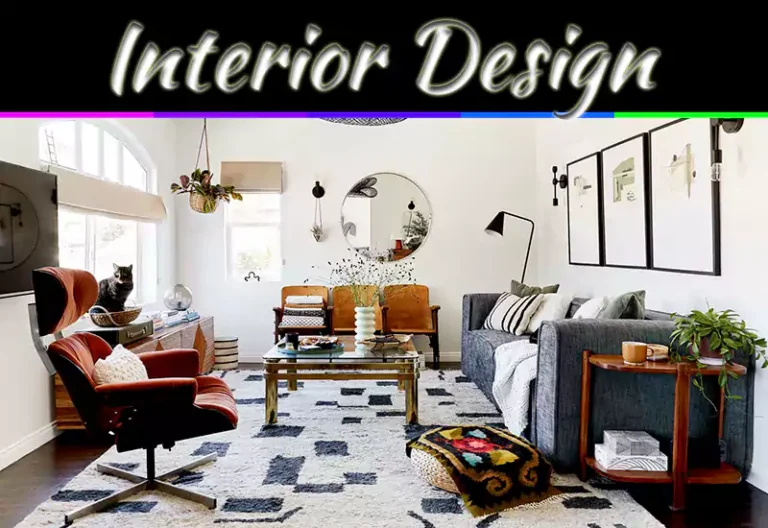
An endless list of unique interior design styles can become daunting when you are trying to discover which one works for you and your home. Some find it best to combine elements of several styles to enable them to create the ideal interior for them.
Modern

Modern interiors typically use clean, crisp lines, colder materials such as metal, glass, and steel, and a simple color palette. The term “sleek” is commonly used to describe a modern interior, which features a lack of clutter or accessories and emphasizes simplicity in all elements, including furniture design.
Contemporary

“Contemporary” is commonly interchangeable with “modern interiors”; the primary difference is the idea that contemporary design is more fluid and makes use of the style with curvaceous lines. Modern is a strict interpretation of design that started in the 20th century, whereas contemporary describes design based on the here and now.
Minimalist

It takes inspiration from modern design but simplifies it further. Color palettes are made to be neutral and airy, paired with furnishings that are uncomplicated and streamlined. Nothing in minimalist interiors is extravagant or flamboyant; accessories and decor are kept necessary. This style can be defined by its sense of functionality and ultra-clean lines.
Mid-Century Modern

Think of easy-to-use, contemporary designs and simple fabrications—a throwback to the revolutionary design style of the 1900s. Functionality was the main theme for the designs for mid-century homes. It emphasizes pared-down silhouettes and natural, organic shapes. You can still purchase designs today from the era; for a more affordable price, you can buy replica designer furniture that will perfectly accomplish this retro nostalgic style.
Hollywood Glam

Hollywood Glam, also known as Hollywood Regency, is a luxurious and dramatic style that is perfect for homeowners who want to make a bold statement. Bold color palettes of purples, reds, and turquoise combined with furniture made from plush, velvet, tufting, and antiques.
Industrial
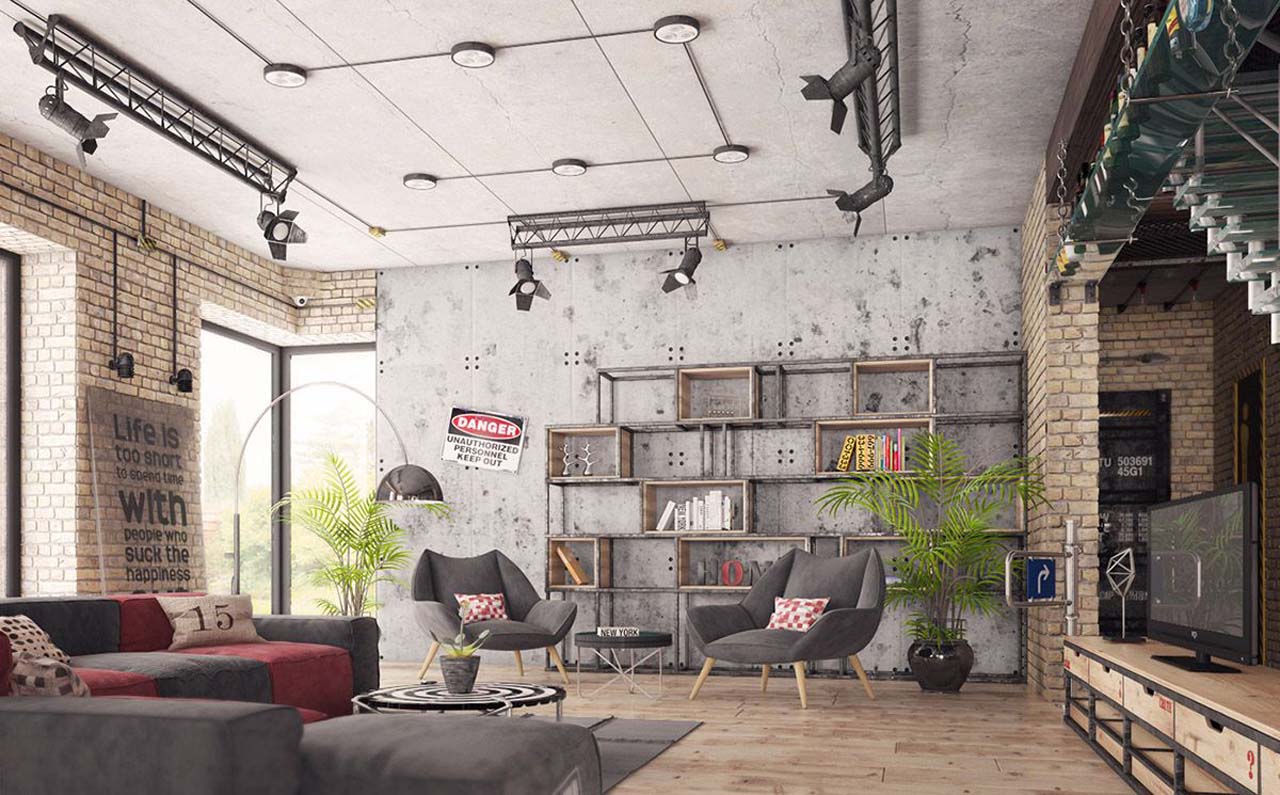
The industrial style embodies a sense of incomplete rawness, drawing inspiration from warehouses or urban lofts. Exposed brick, ductwork, and wood are common in an industrial home. When thinking of industrial homes, think of high ceilings, old timber, and dangling light fixtures. Sparse and functional furniture, along with abstract photography or art, is used to add a splash of color. The color palette is inspired by primary materials such as wood and metals.
Traditional
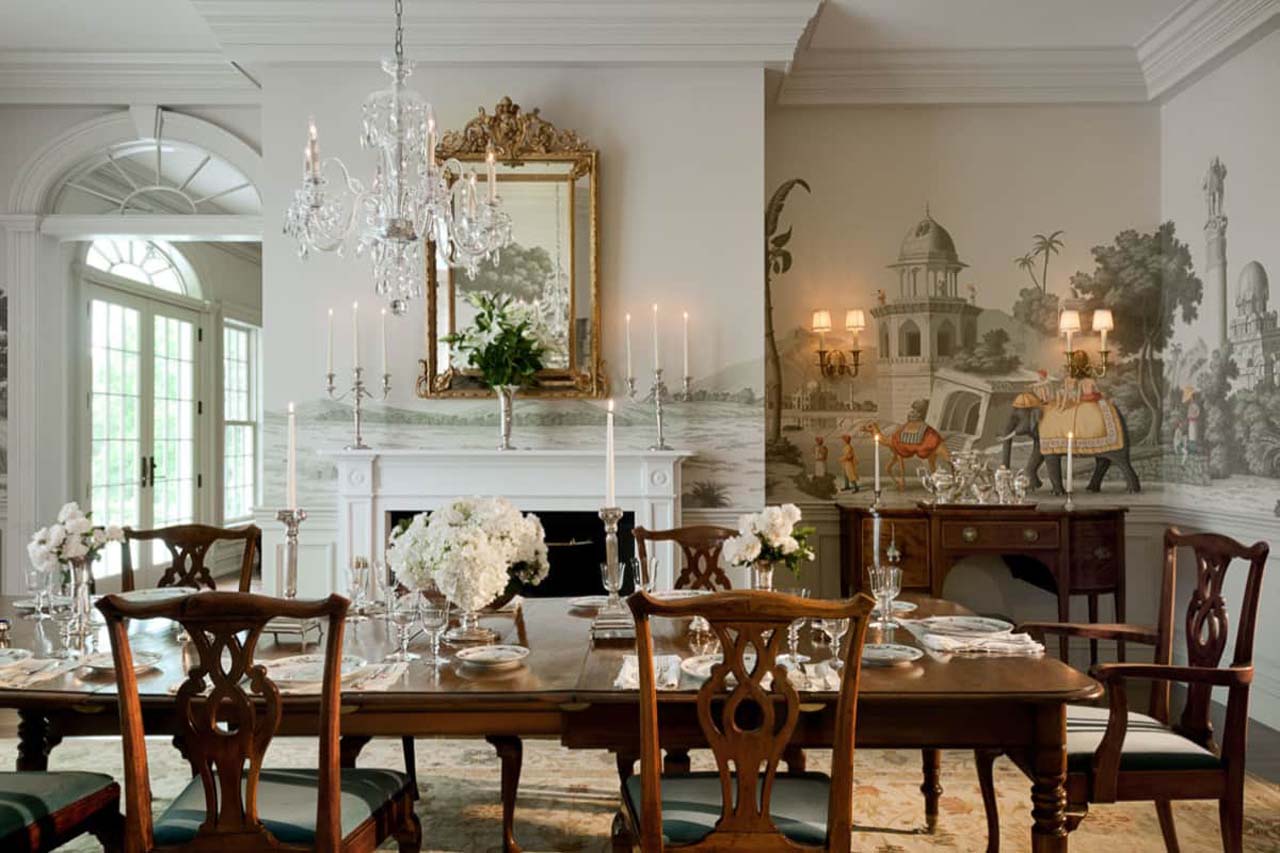
Rooted in Europe, traditional homes often feature classic details, sumptuous furnishings, and an abundance of accessories. Traditional homes often showcase various textures, curved lines, and vibrant colors. Consider how to create depth and layering when designing a traditional home interior. Furnishings will most likely feature extensive and ornate details and fabrics.
Transitional
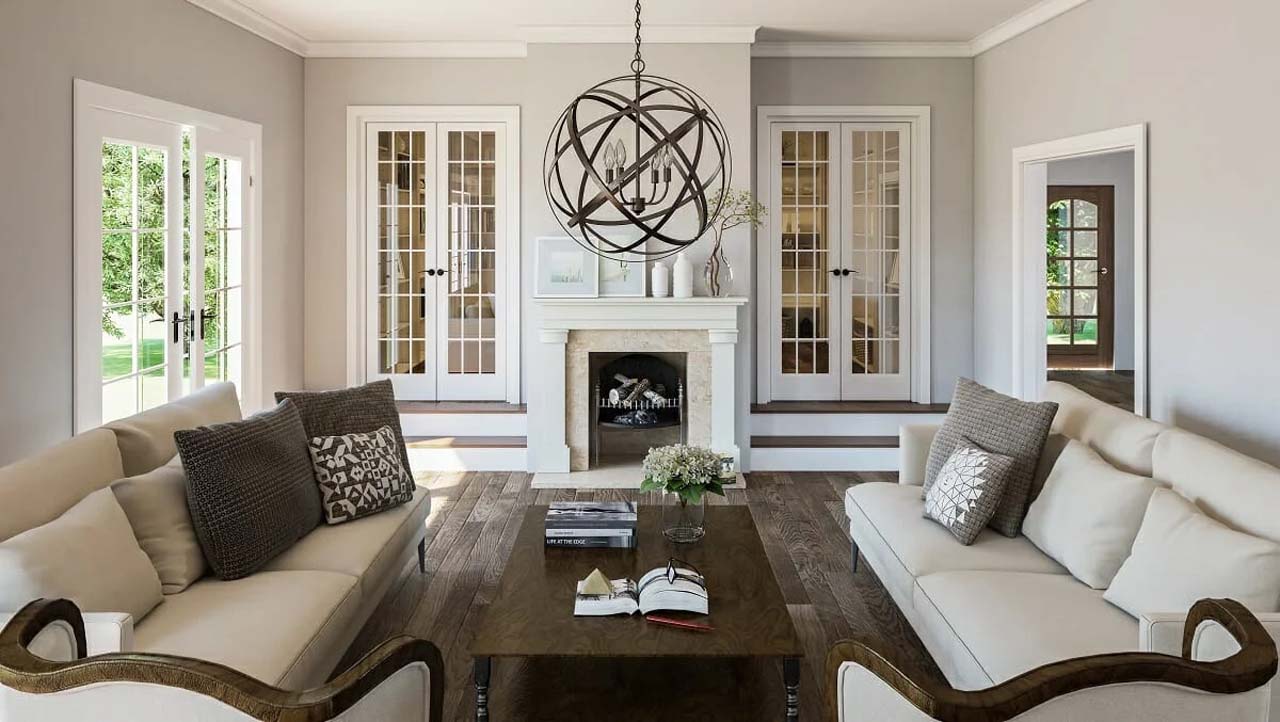
As the name intends, transitional is a growing popular style as it adopts elements from both traditional and modern interiors. This balance creates an unexpected appeal because the space does not conform to a single style. A transitional home would look at adopting modern materials united with plush furnishings.
With the knowledge and ability to identify different interior design styles, these techniques can help you to have a better piece of knowledge and understanding when it comes to creating your home.