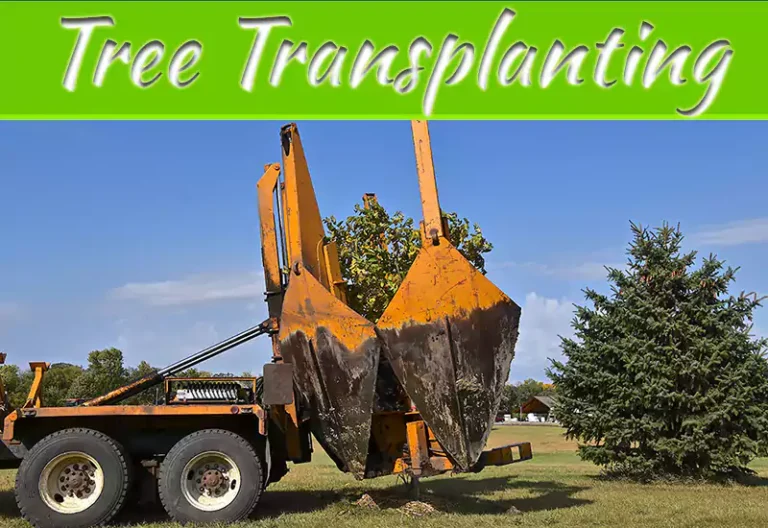

Transplanting a tree is more than just digging it up and sticking it somewhere new. It’s a process that requires planning, precision, and patience. Whether you’re moving a tree to improve your landscape, adding a new tree to your yard, making space for construction, or giving it better growing conditions, how you do it matters just as much as when you do it.
Done right, tree transplantation can set the stage for decades of healthy growth. Done wrong, it can lead to stress, dieback, or death. To help you get it right, here are the essential do’s and don’ts of transplanting trees.
✅ DO: Transplant During Dormancy
The best time to move most trees is during their dormant period—late fall-winter. Dormant trees are not actively growing above ground, which minimizes transplant shock and gives the roots a chance to establish in their new location before active growth resumes.
Bonus Tip: For evergreen trees, early spring is typically best, as they are more sensitive to water loss during fall and winter.
❌ DON’T: Transplant in Hot or Dry Weather
Avoid transplanting trees in mid-summer, when heat and drought stress can be at their peak. Moving a tree when it’s actively growing and trying to survive hot temperatures is a recipe for transplant shock. The stress of root loss combined with heat and water demands can easily overwhelm the tree.
If you must transplant in summer, expect to water consistently and consult a professional transplant company.
✅ DO: Plan Your New Location Carefully
Before you move a tree, scout out its new home. Make sure the location has:
- The right amount of sunlight for the species
- Well-draining soil
- Enough space for the mature height and spread
- Safe distance from foundations, driveways, sidewalks, and utility lines
Choosing the wrong spot now can lead to future problems like structural damage, constant pruning, or even the need to move the tree again later.
❌ DON’T: Plant Too Deep or Too Shallow
A common transplanting mistake is planting the tree at the wrong depth. The root flare—the area where the trunk starts to widen at the base—should be just above ground level when the tree is planted.
- Planting too deep can suffocate roots and promote rot.
- Planting too shallow can expose roots to air and drought.
Dig a hole 1-2 times as wide as the root ball but only as deep as the root ball itself.
✅ DO: Prepare the Root Ball Properly
When digging up a tree for transplant, preserve as much of the root ball as possible. The size of the root ball depends on the size of the tree, but a general rule of thumb is:
- For every inch of trunk diameter, keep 10–12 inches of root ball radius.
Cut roots cleanly with sharp tools and keep the root ball intact, especially for larger or older trees. Wrap the root ball in burlap if needed to prevent it from falling apart.
❌ DON’T: Leave Roots Exposed Too Long
Once a tree is dug up, time is critical. Don’t leave the roots exposed to air and sunlight for extended periods—they can dry out and die quickly. If there’s any delay between digging and planting:
- Keep the root ball moist.
- Store the tree in a shady area.
- Cover exposed roots with burlap or tarp.
✅ DO: Water Thoroughly and Consistently
Water is the single most important factor in transplant success. After planting, give the tree a deep soaking to eliminate air pockets and settle the soil. Typically, a tree needs approximately 1 gallon of water per 1 inch of trunk diameter. I.e., a 5” caliper tree needs approximately 5 gallons per day through slow drip. Follow a consistent watering schedule.
- Water daily for the first full growing season
- Water 2-3 times per week for the second growing season
- Water as needed, the 3rd summer. Heed drought and extreme heat warnings.
- Adjust based on drainage
Even drought-tolerant trees need help while establishing new roots.
❌ DON’T: Overwater or Let the Soil Get Soggy
While newly transplanted trees need moisture, too much water is just as harmful as too little. Constantly soggy soil can lead to root rot, especially in poorly draining sites. To check soil moisture:
- Stick your finger 2–3 inches into the soil.
- If it feels dry, water it.
- If it feels wet, wait a day or two.
Mulching (but not overmulching) helps retain moisture without overwatering.
✅ DO: Mulch Properly
Apply 2–4 inches of mulch around the base of the tree to conserve moisture, regulate temperature, and reduce competition from weeds. However, avoid the “volcano mulch” effect—never pile mulch against the trunk.
Leave a 3-6 inch gap around the tree trunk and spread mulch outward to the edge of the root zone.
❌ DON’T: Fertilize Immediately After Transplanting
Many gardeners assume fertilizer will give the tree a boost, but it’s actually a bad idea right after transplanting. Fertilizer can stimulate top growth before the roots are ready to support it, which stresses the tree.
Wait at least a full growing season before fertilizing, and always use slow-release products when you do.
✅ DO: Stake If Necessary—But Remove Stakes Later
For taller or top-heavy trees, staking may help stabilize them while roots anchor in the new soil. Use soft, flexible ties and avoid damaging the bark. Most importantly, remove the stakes after one growing season to prevent girdling and encourage natural trunk strength.
Final Thoughts
Transplanting a tree is part art, part science. By following these do’s and don’ts, you’ll greatly improve your chances of success and help your tree adjust to its new home with minimal stress. Remember, trees are long-lived organisms that need time to recover. Be patient, stay attentive, and in a year or two, you’ll have a thriving tree that looks like it was always meant to be there.
Nancy Penrose is the owner of Big Trees Inc., the premium tree nursery in the Seattle area, located in Snohomish.