
Single-ply roofing membranes are available in a wide variety of options in the market. This membrane is usually white and is fastened or glued over a roof. These membranes are available at competitive prices and can be easily installed. People now install single-ply roofing under their concrete roofing as a false ceiling because it can decorate your ceiling, and you can design and install some lights on this single-ply. Apart from that, single-ply roofing can protect your roof from any damage and provide you with a proper insulation system.
Different Parts Of Single Ply Roofing System
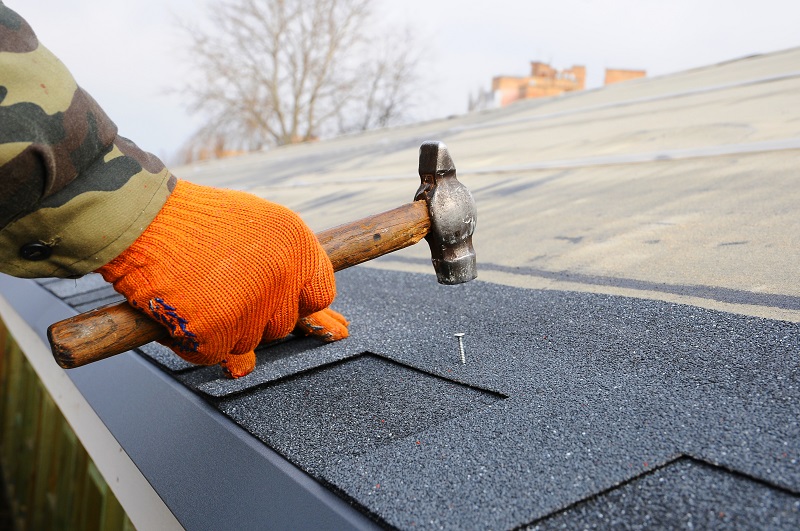
A single-ply roofing system contains three to four parts-
- Insulation – This layer keeps the heat or the cold out of the building.
- Single Ply Membrane – This is made of plastic or rubber and has an acrylic reflective coating.
- Flashing – This is primarily provided to protect the roof’s edges from water seepage.
- Adhesive – This is provided to join the layers together.
Types Of Single-Ply Membranes
The two different types of single-ply roofing membranes are thermoplastics and thermosets. Both types are very flexible and can resist high amounts of radiation from UV rays. Even though these membranes can easily be installed, they are highly incompatible and cannot be used with the other types of single roofing systems.
- The seams on thermoplastic membranes are usually joined together with hot welding. When these membranes cool down, they typically return to their original material. The two most commonly used thermoplastic membranes are TPO and PVC. One key feature of this membrane is the additional reinforcement layer provided as a glass fiber or polyester layer.
- Thermoset membranes are best used for large areas of roofs. Most of these membranes contain a thermoset black membrane that provides an additional layer of protection against UV. The manufacturer can add titanium oxide to the white membranes for better reflectivity. These membranes are well-known in the market because of their long shelf life and ability to weather harmful weather. Another key feature is that this membrane is available in reinforced and nonreinforced forms.
Advantages Of Single Ply Roofing

Single-ply roofing membranes are great options because they act as a reflective surface and significantly reduce energy use for heat flow. The other advantages of single-ply roofing are-
- It eliminates the danger of smoke pollution and fire. This ply is heat resistant and does not catch fire easily.
- It includes a meager labor cost. These single-ply roofing systems can be easily installed in your home and commercial premises within a few days, and you do not need to spend any additional maintenance costs on them.
- It is very light by nature. You can make some designs, floral shapes, and other horizontal shapes with this single-ply and decorate your house in this way.
- These are suited for roofs usually exposed to a very high concentration of oils and grease.
- Very little maintenance is required for this type of roofing.
- It can resist ozone and UV radiation.
The most significant advantage of this roofing system is that it can reduce the overall costs related to heating and cooling. This is possible because this roofing type has an excellent reflective surface. Research has shown that the temperature of a white roof increases by 4 degrees on a typical sunny day.
Thanks for pointing that single ply roofing is very heat resistant on its own. There was a recent minor brushfire near where I live so I think I should get home improvements that protect my home from heatwaves. The roof is most definitely the first things I should pay attention to since there aren’t many trees in my neighborhood.
https://www.mcwilliamsroofing.com/roofing-systems