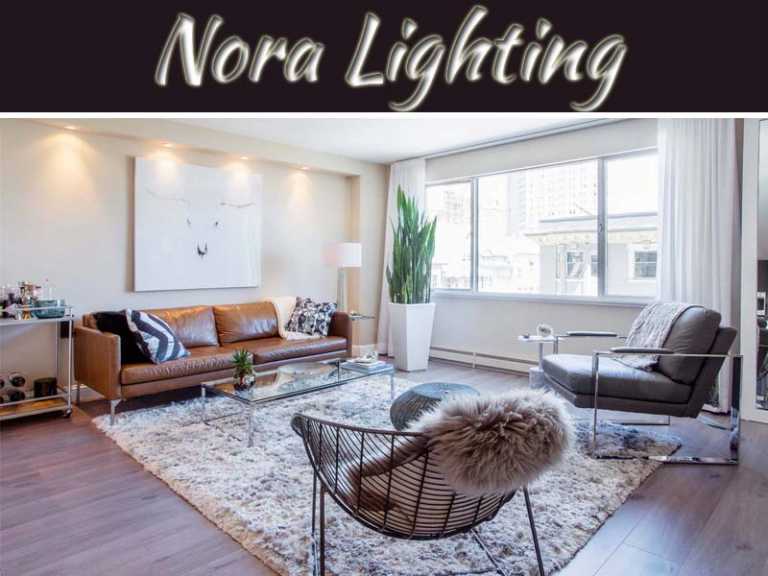

Lighting design in apartments is a paradox. The small space should make it easier since you have few options and can rely on what has worked. And believe me, there are tons of design decisions out there for you to choose from. However, it can be quite frustrating, especially if you want to strut your designing stuff. In this article, we will explore the key considerations you need to keep in mind to ensure you are effectively illuminating your apartment with Nora Lighting.
Nora Lighting Is Driven By Purpose

The most common mistake that newbie designers make when designing lighting for apartments is to neglect purpose. Lighting, like most aspects of design, serves to perform functions other than just making the room look appealing. However, you do not have to sacrifice aesthetics to get there. Experienced designers know how to incorporate their designs without giving up functionality.
When one speaks about furniture, the first things that come to mind are the heavy fixtures that you have to haul when moving houses. But as designers, we know that furniture’s definition is broader than its usual meaning. Like the refrigerators, the television sets, the coffee tables, and the kitchen top, deciding what furniture to purchase largely depends on both their design and functionality. You wouldn’t want a broken oven just to match your sink.
In the same way, you do not want to have to settle for a mismatched television set color against your beautiful wall. The same applies to lighting, which should be treated as furniture because it serves a similar purpose. Make sure that light performs its function well enough for its purpose.
If the goal is to set the right mood before bed, the lighting can’t be as bright as daylight. If the purpose is to prevent you from cutting your fingers while preparing ingredients for cooking, then you cannot settle for anything less than bright lighting.
On the other hand, the functionality of the lighting shouldn’t compromise your desire for a stylish apartment. There are many options available for you to consider, including custom-made lighting designs, which could significantly increase your client’s costs. Or you could just choose items that already have many palette variants.
One way you can broaden your choices for design is by picking the material you are using. This gives you flexibility beyond just choosing the color of the item or its theme. Many material finishes are available for lighting, and each of them has its strengths and weaknesses. Metal finishes are preferable for outdoor lighting but can also make their way into apartments. It is sturdy and gives that neo-city feel, but make sure that it goes well with your general design. Like most metals, it can rust, so try to avoid putting it in moist areas like bathrooms and powder rooms.
A more common type of finish that you probably already know of is glass. Glass has a distinct advantage over other types of materials because it is transparent. This gives you maximum flexibility with how you want the lighting to affect the room. You can choose to hide the finishing altogether by choosing colorless or transparent glass finishing. You may also decide to put a little vibe in it and pick a favorite color by using translucent glass finishing. And finally, you can redirect light using a reflective glass surface. This is particularly useful when you want to cast light at a specific spot, as with highlight lighting.
Wood and concrete can also be used as a finishing, albeit less common. The wooden lighting frame may have some questions regarding durability, especially if the lighting is strong. Heat generated can tamper with the wood and leave out unwanted scorch marks that can develop over time. For living rooms that are preferably dimly lit, however, these are perfect and usually go well with houses that have a cabin-in-the-woods type of design. Concrete can also be used but is probably the least flexible in both design and physical form. You won’t be able to move the lighting around easily; however, you do have the benefit of ensuring that the light is properly stable.
Nora Lighting With Dimmers

If lighting design had a cheat code, it would probably look a lot like the dimmer switch. Using dimmers gives the ultimate flexibility in your lighting design—no more worrying about how the lighting sources will meld with each other. You can just put every light source on a dimmer and then mix and match presets. This approach reduces the amount of work you need to do and provides the client with the maximum number of choices. However, there are still some points that you may want to remember before settling with dimmers. The first point is that not all types of lighting are compatible with dimmers. There is indeed a lot of lighting that allows for dimmer switches to be installed or makeshift customized glassware around the lighting to make it appear as such. But some may not be as easily transformed.
Nora Lighting On The Walls

Aside from the ceiling, the walls are probably the second most efficient place where you can put in lighting. It is distinct from ceiling-mounted lighting and has both its advantages and disadvantages. On the plus side, it is much closer to the ground, meaning that it can provide more focused lighting. This is particularly useful for reading and kitchen tops. On the other hand, it can be a bit clunkier, and if you are not more careful, you may render an entire square foot unusable.