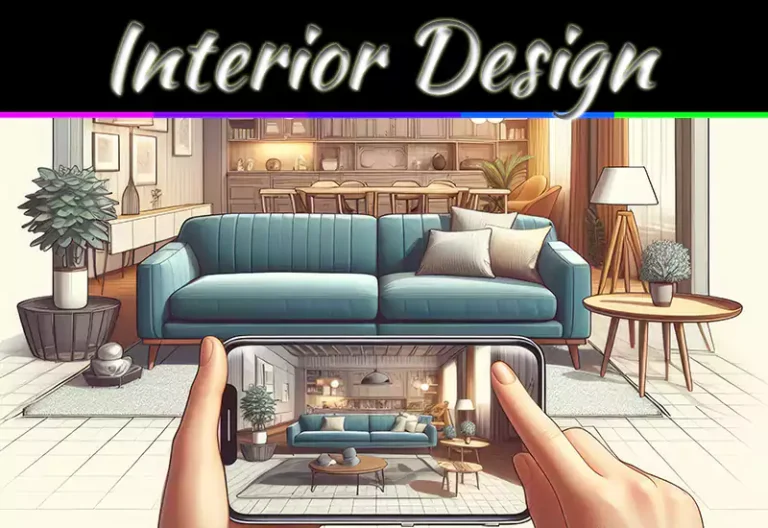

The relationship between interior design and property value extends far beyond simple aesthetics. Thoughtful design choices can significantly increase what buyers are willing to pay, while poor decisions may suppress values regardless of a property’s other strengths. Understanding which design elements carry the most weight helps homeowners make improvements that serve both daily enjoyment and long-term investment returns.
First Impressions Set Expectations
Buyers form opinions within moments of entering a property, and those initial impressions color everything that follows. Entryways and main living spaces that feel cohesive, intentional, and well-maintained signal quality throughout the home. Disjointed design or visible neglect triggers skepticism that excellent features elsewhere may fail to overcome.
Neutral color palettes have earned their reputation for broad appeal because they allow buyers to envision their furnishings and style preferences within spaces. Bold personal choices may delight some buyers while alienating others. Properties positioned for sale benefit from design restraint that maximizes the pool of interested purchasers.
Lighting quality dramatically affects how spaces feel and photograph. Dark rooms feel smaller and less inviting regardless of actual dimensions. Properties with abundant natural light and well-planned artificial lighting present better in person and in listing photos, attracting more interest and stronger offers.
Kitchens And Bathrooms Drive Value
Real estate professionals consistently identify kitchens and bathrooms as the rooms most influential on property values. Buyers scrutinize these spaces carefully, recognizing that updates require significant investment if not already complete.
Kitchen design choices carry particular weight. Cabinet style, countertop materials, appliance quality, and layout functionality all factor into buyer assessments. Kitchens that feel dated can reduce offers by amounts exceeding what updates would have cost. Those that feel current and functional justify premium pricing.
Bathroom finishes signal overall property quality to discerning buyers. Outdated tile, worn fixtures, and poor lighting suggest deferred maintenance throughout the home. Quality materials and thoughtful design in updated bathrooms reassure buyers of the property’s well-maintained condition.
Flow And Functionality Matter
Beyond individual room aesthetics, how spaces connect and function affects perceived value. Open floor plans that facilitate modern living patterns appeal to most contemporary buyers. Awkward traffic patterns, poorly positioned rooms, and wasted space raise concerns about livability.
Storage adequacy influences buyer decisions more than many sellers realize. Homes with insufficient closet space, limited kitchen storage, or no logical places for everyday items feel less functional regardless of their visual appeal. Built-in storage solutions add both utility and perceived value.
Luxury properties face heightened expectations for flow and functionality. Premium market buyers anticipate homes that have undergone design rather than mere decoration. Specialists like Park City Luxury Properties understand how design coherence affects value in high-end markets where buyers have abundant choices and exacting standards.
Materials And Finishes Communicate Quality
The materials chosen for flooring, countertops, cabinetry, and fixtures send signals about property quality that buyers interpret instinctively. Solid hardwood floors suggest permanence and quality. Premium stone countertops indicate investment in lasting materials. Quality hardware and fixtures demonstrate attention to detail.
Conversely, visibly inexpensive materials can undermine otherwise attractive spaces. Buyers recognize laminate masquerading as wood and hollow-core doors pretending to be solid. These economy choices may save money initially but often cost more in reduced sale prices than they saved during installation.
Timeless Versus Trendy
Design trends fluctuate in popularity, and decisions that seem fashionable today could seem outdated in a few years. Properties designed around strong trends risk feeling stale as fashions shift, potentially requiring updates before sale.
Timeless design foundations with trend-conscious accents offer flexibility. Classic proportions, quality materials, and neutral bases remain appealing across style cycles. You can easily change elements like paint colors, light fixtures, and hardware inexpensively to refresh appearances without major renovation.
Design As An Investment
Interior design choices represent investments that either appreciate or depreciate over time. Strategic decisions enhance both daily living and eventual sale value. Thoughtful attention to flow, materials, and timeless appeal creates properties that perform well in any market. Homeowners who approach design with investment awareness position themselves for returns that justify their choices financially while enjoying the aesthetic benefits throughout their ownership.