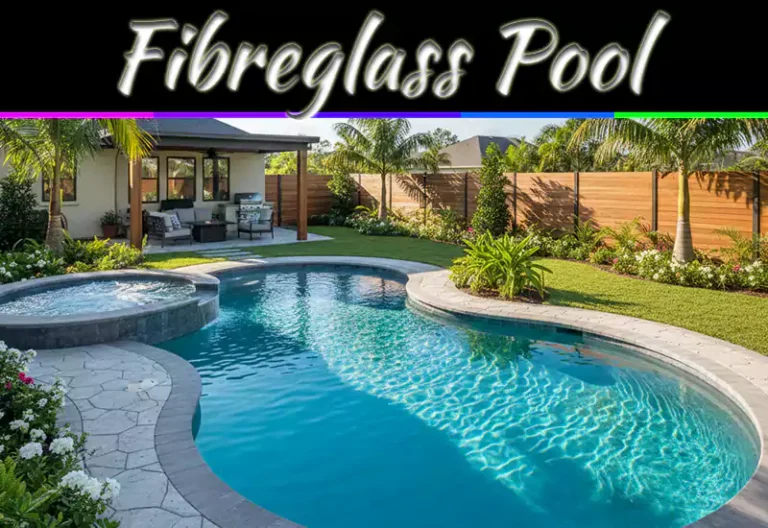

Installing a fibreglass pool is a popular choice for many Australian homeowners looking to add luxury, relaxation, and value to their property. Known for their durability, low maintenance, and sleek appearances, fibreglass pools are a long-term investment that can transform your backyard into a personal oasis. However, understanding the costs involved is essential before committing to a pool project.
This guide will break down the various factors that affect the prices of fibreglass pools, helping homeowners budget effectively and make informed decisions. By being aware of all potential expenses, you can avoid surprises and ensure a smooth, stress-free installation process.
Understanding Fibreglass Pool Costs
The overall cost of a fibreglass pools Melbourne can vary significantly depending on several factors, including size, design, location, and additional features. On average, Australian homeowners can expect to pay anywhere from $20,000 to $70,000 or more for a standard installation. However, these figures can fluctuate based on the specific requirements of your property and desired pool features. Additional considerations, such as upgrades, landscaping, and custom designs, will influence the final budget.
Factors That Influence Pool Costs
-
Pool Size And Shape
One of the most significant cost factors is the size and shape of your fibreglass pool. Larger pools require more material, labour, and excavations, naturally increasing the overall price.
- Small pools (3–5 metres): Often suitable for compact backyards and more affordable.
- Medium pools (6–8 metres): Popular for families, providing ample space for swimming and recreation.
- Large pools (9+ metres): Ideal for extensive backyards but involve higher installation costs.
Custom shapes or designs, such as kidney-shaped or freeform pools, may also increase costs due to additional manufacturing and installation complexity.
-
Pool Depth And Features
The depth of the pool determines the amount of fibreglass required and the complexity of the installation. Standard pools are usually around 1.2–1.5 meters deep, while deeper or varying-depth pools can add to the cost.
Additional features such as:
- Steps and benches
- Spa jets or integrated spas
- LED lighting
- Heating systems
Also increase both the initial installation cost and long-term maintenance expenses. Features like waterfalls or infinity edges add further uniqueness but will also significantly affect the budget.
-
Excavation And Site Preparation
Site conditions can greatly influence fibreglass pool prices. Factors such as soil type, slope, and accessibility can affect excavation requirements. Rocky or uneven terrain may require additional machinery or labour, raising the overall budget.
Homeowners with restricted access, such as narrow side yards or sloped backyards, should also anticipate higher installation costs due to the complexity of transporting the pool shell and equipment to the site.
-
Pool Surroundings And Landscaping
The cost of a pool extends beyond the fibreglass shell itself. Pool surrounds and landscaping play a significant role in the final budget. Options include:
- Concrete or paved surrounds
- Timber decking
- Retaining walls or planters
- Landscaping and garden features
High-end finishes, decorative tiles, and premium paving materials can elevate the cost, while simpler, functional surrounds may help reduce expenses. Well-designed landscaping also enhances the aesthetic appeal and overall value of your property.
-
Filtration And Pump Systems
A reliable filtration system is essential to keep your pool clean and safe. Most fibreglass pool packages typically include standard pumps and filtration systems, but upgrades for energy efficiency, automation, or saltwater conversion will increase costs.
Homeowners should also consider the long-term energy and maintenance costs associated with different filtration and pump systems. Opting for modern, energy-efficient systems may increase upfront costs but reduce running expenses over time.
-
Pool Heating Options
Heating your fibreglass pool extends the swimming season and adds comfort. Popular options include:
- Solar heating
- Gas heating
- Heat pumps
Each option has different installation costs and ongoing running expenses. Solar heating tends to have a higher upfront cost but lower operating expenses, while gas heating provides rapid warmth but at higher energy costs.
-
Permits And Regulatory Requirements
Local council regulations may impact installation costs. Permits, inspections, and compliance with fencing laws are mandatory in Australia and can add to your budget. Working with a pool installer who understands these requirements ensures a smoother approval process and avoids unexpected expenses.
Budgeting For Long-Term Maintenance
While fibreglass pools are low-maintenance compared to concrete or vinyl options, ongoing costs should be factored into your budget. Homeowners should plan for:
- Regular cleaning and chemical balancing
- Occasional filter replacement
- Seasonal servicing of pumps and heating systems
- Minor repairs or touch-ups to the fibreglass surface
Factoring in these costs helps avoid surprises and ensures your pool remains safe, functional, and visually appealing for years to come.
Financing Your Fibreglass Pool
Given the significant investment required, many homeowners choose to finance their fibreglass pool through personal loans, home equity lines, or specialised pool finance options. Comparing interest rates and repayment terms can make a pool more accessible while ensuring it fits within your long-term financial plans.
Tips For Keeping Costs Manageable
- Compare multiple quotes: Get estimates from several reputable fibreglass pool installers to find competitive pricing.
- Plan ahead: Identify your preferred size, features, and materials early to avoid costly changes mid-project.
- Consider off-peak installation: Scheduling installation during quieter periods may reduce labour costs.
- Focus on essentials first: You can always add premium features or landscaping later, spreading out the overall expense.
- Regular maintenance: Investing in preventative maintenance reduces long-term repair costs and protects your initial investment.
By carefully planning and budgeting, homeowners can achieve a luxurious backyard pool without overextending financially.
Final Thoughts
Installing a fibreglass pool is a significant investment, but with careful planning and a clear understanding of costs, it can deliver long-term enjoyment, increased property value, and a stylish backyard retreat. By considering factors such as pool size, features, site conditions, landscaping, and ongoing maintenance, homeowners can budget accurately and make informed decisions.
Working with experienced installers and comparing quotes ensures you receive quality workmanship and a pool that meets your lifestyle needs. With a fibreglass pool, your backyard can become a year-round haven for relaxation, entertaining, and family enjoyment, all while being a practical and low-maintenance choice for modern Australian homes. Thoughtful budgeting ensures your dream pool is both achievable and sustainable over time.