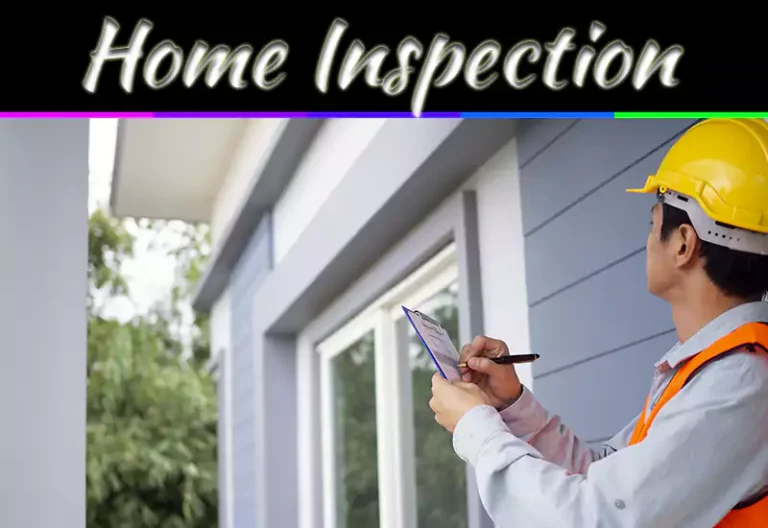
Buying a new house isn’t just any regular investment. The process involves significant decision-making, and now that you have reached the home inspection stage, you will need to pay close attention to many details. Since the home inspection allows you to examine the whole property for any potential issues, it’s better to prepare an extensive checklist to make sure that you don’t miss anything while examining the house.
Hiring The Best Inspector

While a home inspection may be daunting and quite extensive, consider it an advantage for you. Inspecting the home before you move in is actually giving you a chance to check if you’ve really made the right decision. At this point, you can still withdraw from the negotiation if you find something unacceptable. To make sure you’ll be able to inspect and assess the property thoroughly, you’ll need a new home building inspector to be by your side.
Your real estate agent or broker may have recommended a few names for an inspector, but make sure that the person is qualified enough to handle the job. You can check their qualifications by asking about their past professional experience and whether they’ve completed training to be a home inspector. Ask your friends or family if they’ve hired a home inspector before, and if so, check if they can recommend or refer someone.
What Your Checklist Should Look Like

Before you begin planning and envisioning your new home’s décor, take a moment to concentrate on conducting the home inspection. Your home inspector should be knowledgeable enough to know which areas to check when doing the inspection. However, you can still prepare your own checklist to ensure that everything will be up to par.
Your checklist could include the following:
-
Foundation
A new home’s foundation can’t be easily examined if you don’t have enough knowledge about it. Engineers are best at assessing a new home’s foundation, but your inspection should also check for flaws. But as the new owner, you should also inspect the foundation to avoid future issues.
To check the foundation, you can start by walking the exterior perimeter of the house. Foundation walls shouldn’t have leans or bulges that could indicate a lumpy load on them. Look out for any horizontal cracks with sizes that are greater than ¼ inch. Such cracks could indicate stress on the foundation.
-
Structure
The structural integrity of the house may be checked through some common interior issues, such as uneven flooring, windows and doors that won’t open or close properly, gaps between the walls and the floor, and bowed or bulging walls. Although some of these problems may seem minor at the time of inspection, you still need to pay extra attention to them because they may cause more serious problems after you move in.
The interior may look nice as you’re inspecting every corner of the house, but it doesn’t mean that everything’s good so far. Consult your home inspector from time to time to ensure that you both agree on several areas that need to be checked.
-
Plumbing
Your checklist should also include checking the plumbing system. You might need a flashlight to do your inspection better. Start with the water meter and determine if the shut-off valve is working properly. If you’ve moved in and need to make modifications to the plumbing system, locating the meter and valve will help you turn off the water supply. Shut the valve; no water should come from the kitchen, bathroom, or other taps. Also, don’t forget to check the water heaters in the house as well. If you have a big family, the heater should be able to accommodate everyone.
-
Electrical
The electrical system may be a bit difficult to inspect, but it’s better to understand how it operates and where to locate the main switch, as well as the power outlets. Again, the home inspector should be able to tell if the electrical system is problematic or not.
Takeaways
Moving into a new house is a big deal. It’s an exciting new journey, but you shouldn’t let your excitement get in the way of determining whether the property is indeed the right fit for you. Make sure you pay attention when doing the home inspection. Work closely with your inspector to ensure that everything works properly.