

Paneling is a flat, elongated piece of fabric that serves as the visible and exposed covering for a wall. Wall panels provide insulation, are soundproof, and offer a stable appearance along with durability and easy replaceability. Although there is no specific size limit for additional fabric serving these functions, the practical dimensions for wall panels that allow for transportation are typically 24 inches by 8 feet.
Wall panels reduce the cost of construction by providing a constant appearance to the covered surface without needing another finishing material or appliance of paint. Wall paneling is finished on just one side; the opposite side goes against a brick or concrete wall or a comparable structure. Alternatively, if the panels are assembled into an appropriate framework, they can serve as a substitute for at least one of the walls. Holes could also be cut or drilled into a paneling to accommodate electrical outlets and other devices beginning at the wall.
Different Kinds Of Wall Paneling:
-
Decorative Wall Panels

Decorative wall panels are available in many different materials. They are often used to change the wall design and protect it from damage when it is installed. Wainscoting is one of the most commonly used wall panels. It’s made up of wood or synthetic materials patterned with carvings and styles. Wainscot is typically installed on the lower half of a wall, but heights and designs may vary. We can also apply prefabricated panels, or those conversant in woodworking can create their versions. If you’re not interested in creating your own wall paneling.
There are many wood wall panels available online. Other common materials used for decorative paneling include laminate, chrome steel, and plastics.
-
Tileboard
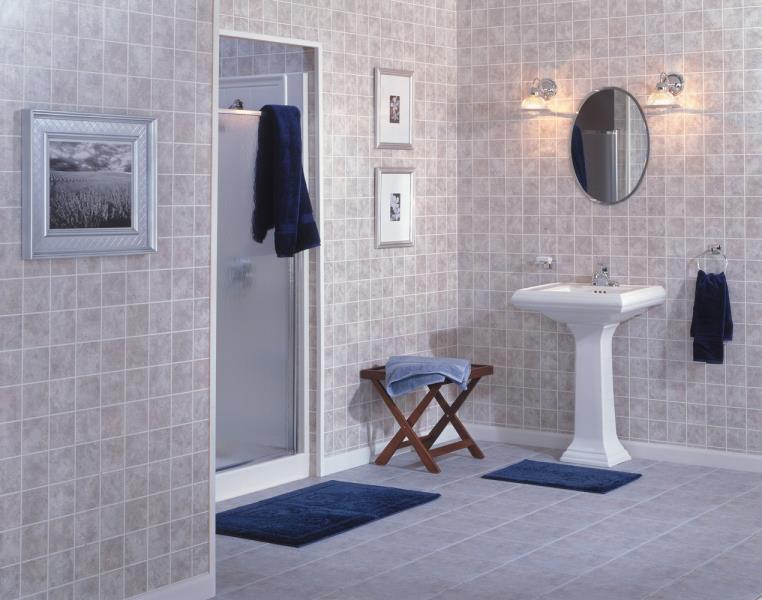
Tileboard panels are made up of melamine or resin and are wont to mimic the design of the ceramic tile. They are textured and colored to seem like tile and are attached to a moisture-resistant backer board. These panels are a reasonable alternative to ceramic and are much easier to put in. Tileboard panels also don’t have grout lines that bring more natural cleaning, as there’s nowhere for trapped dirt to accumulate.
-
Utility Paneling

Utility paneling, or pegboard, is made of perforated hardboard and is valued for its function and looks. These panels contain rows of small holes, which will be used to hang objects from nails or pegs. They are utility items that are frequently used in kitchens, garages, and commercial applications. Paneling is available in standard white or natural wood finishes, as well as in custom colors. These panels are often installed over the whole wall or solely in small areas as required.
-
Acoustical Panels

These are applied to control noise levels during space and to dam noise transfer through walls. Foam or wood cores wrapped with a layer of vinyl or fabric construct these panels. These panels are often used in auditoriums, hotels, and schools and help absorb sound. These are available in a wide variety of colors and textures to match the room’s decor. We can temporarily install acoustical panels using magnets or clips or adhesive or nails for more indefinite applications.
-
Structural Wall Panels
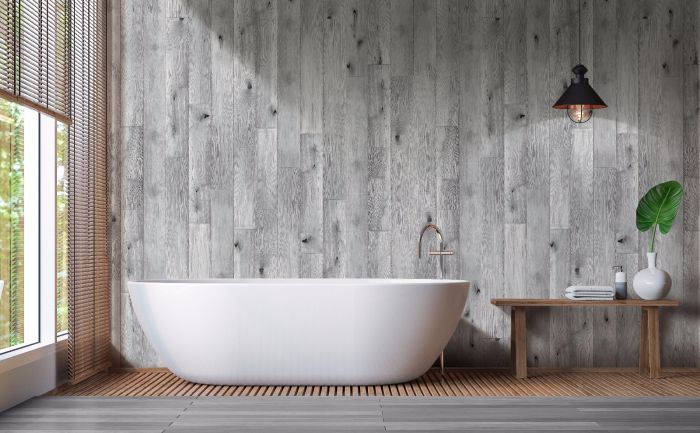
While most people install various types of wall paneling on the interior, others can use it to create exterior walls as well. These panels are frequently made up of precast concrete and permit quick and straightforward framing for homes and businesses. Some structural panels applied by people can also replace both interior and exterior walls. Structural insulated panels (SIPs) take interior drywall and exterior sheathing, or siding, or wall framing. These panels are made up of sheets of rigid foam insulation sandwiched between layers of wood fiberboard.
Wall panels are useful for decorating the walls and decreasing construction costs, which is positive for the owner who is applying wall paneling in his home. There are different kinds of wall paneling that an individual can use to make his interior and exterior walls attractive. It also reduces his expenditure altogether. Applying bathroom wall panels is a smart choice considering their uses, appearance, and cost, and residential and commercial buildings use them. We can purchase wall paneling from particular distributors, and these are also available in hardware and home improvement stores, making it easily accessible to the public.