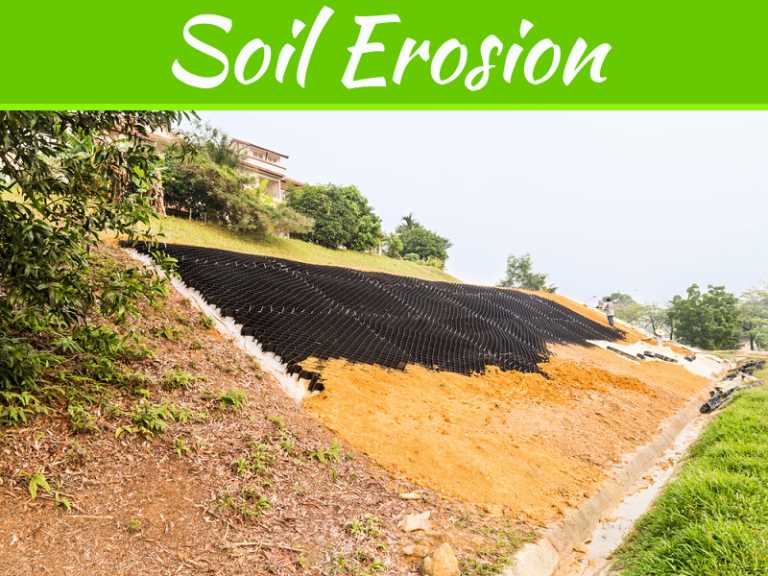
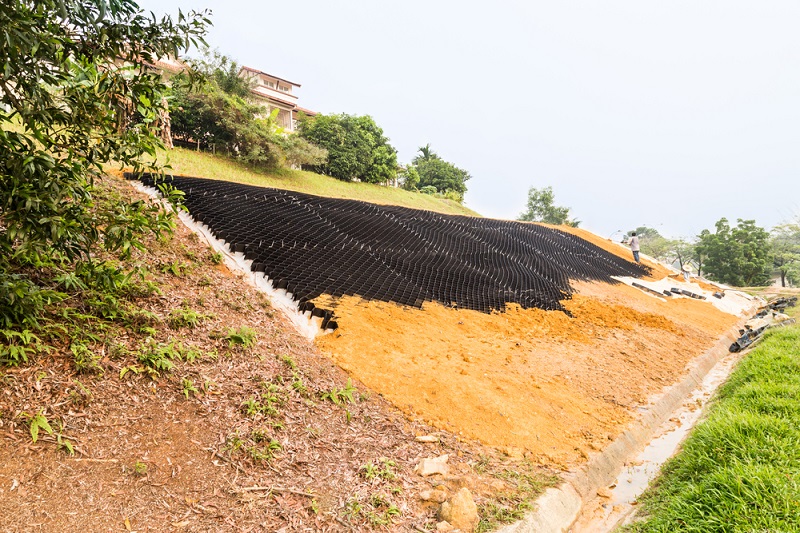
By definition, soil erosion control is the act of controlling the water or wind erosion in farming and land. Soil erosion is essentially the expulsion of the upper layer of soil or the ejection of soil from its surface by wind, deforestation, water, and so on. Cutting down trees and fast-running water can undoubtedly increase the odds of soil erosion. It is imperative to utilize some powerful techniques to avoid or control soil erosion. The strategies or systems that are being used to keep the dirt and water contamination are known as soil erosion control techniques. Normally these techniques are being used in urban and common regions and farming settings. Mulch, holding dividers, geomaterials, and vegetation are some basic techniques used for this purpose.
Mulches enable the best soil to gradually splash the water keep up the pH esteem and secure against downpour impacts. Anyway, holding dividers is the best strategy for counteracting soil erosion. These dividers can be worked around the region where water overflow causes soil erosion. Geomaterials are another powerful technique when utilized with vegetation, as they enable the soil to settle. Another method of controlling soil erosion is planting vegetation, as it holds the dirt tight at a spot and balances out the trash, which therefore counteracts decay.

Apart from these strategies, as per the erosion control officer, let’s now talk about some approaches to control soil erosion.
- Plant an ever-increasing number of trees around the zone where erosion typically happens, as these give asylum to your dirt and counteract overabundant water.
- You can likewise construct a decent bit of wind boundary that prevents the breeze from overwhelming the soil.
- Another strategy is making a natural mulch that limits the temperature of the soil and averts erosion.
- Water your dirt or keep it sodden; however, don’t overwater it, as it will wash away soil and corrupt its quality. For this reason, you can utilize clammy heaps of mulch that would be anything but trying to fix.
- Keep your vegetation robust enough, developing, and sound, as it will hold the dirt at a spot and secure its surface.
- Find the strategies as indicated by the area, climatic conditions, soil surface, and size of the land or ranch.
There are vital approaches to keeping your yard looking better. Some natural methods for making arrangements for soil erosion control and downpour harm counteractive action are:
- Cover All Amassed Soil You Have On Your Property: At the point when these dirt stores are not being used, keep them secured with a weighted plastic canvas that will help with soil erosion control.
- Plant a brief vegetative spread on your incomplete yard: When you have a territory of your yard that is uncovered and won’t be contacted for some time, merely plant something briefly to help hold the dirt set up. Yearly ryegrass is a decent decision for this.
- Use Mulch: Any regions of soil that are presented and beside a hard surface, similar to a walkway or garage, ought to be secured and balanced out by mulch or mulch and an impermanent vegetative covering.
Furthermore, dikes and channels, as per the erosion control officer, are additionally viable techniques for soil erosion controls. Through this technique, a stream of water can be controlled with barriers, and a few dams control the water stream as well as divert it through the channels that are ordinarily comprised of concrete and other active material.
Thanks for helping me understand the different methods of soil erosion control. Apparently, my boss wants to consider this as part of the landscaping project that will be done in the company yard next week. I had no idea that holding dividers, mulch, geomaterials, and vegetation are the methods that are usually applicable for soil erosion. Before finding a company, I shall then ask them to take a visit to the area an see if what technique works best. https://www.hollemanhydroseeding.com/