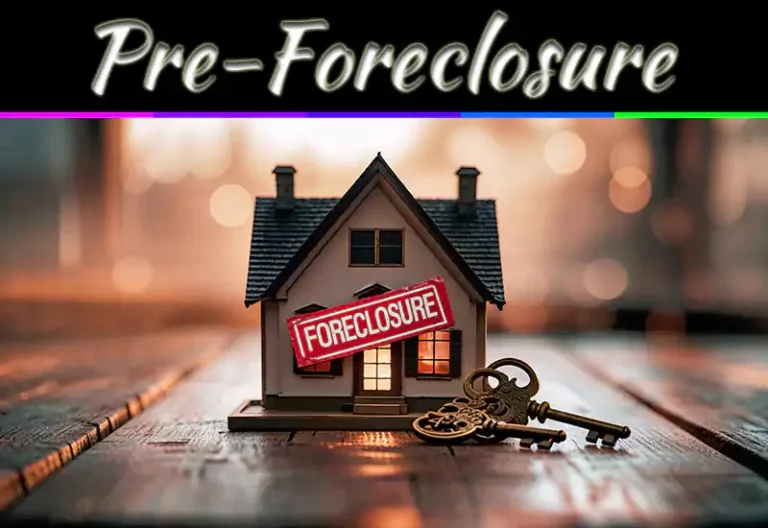

Facing foreclosure can be one of the most stressful situations a homeowner experiences. Missed payments, mounting fees, and constant notices from lenders can make it feel like there are no viable options left. However, selling a house before foreclosure is often possible and can help you regain control of the situation. Understanding how the process works and what options are available can make a difficult time more manageable.
Understanding The Foreclosure Timeline
Foreclosure does not happen overnight. After missed mortgage payments, lenders usually follow a series of steps before taking ownership of the property. These steps may include late notices, a notice of default, and eventually a scheduled foreclosure sale. The exact timeline varies by state and lender, but homeowners often have several months to take action.
Knowing where you are in the process is critical. The earlier you act, the more options you usually have. Waiting too long can limit your ability to sell and increase the financial damage.
Can You Sell Your House Before Foreclosure
In most cases, yes. Until the foreclosure sale takes place, you typically still own the home and have the right to sell it. Selling before foreclosure can help you avoid a completed foreclosure on your record, which can have long-lasting effects on your credit and future housing options.
The goal is to sell the property and use the proceeds to pay off the mortgage balance and any associated fees.
Challenges Of A Traditional Sale
Selling through a real estate agent while facing foreclosure can be challenging. Traditional sales often take time, and lenders may require proof that the sale will close before the foreclosure date. Buyers using mortgage financing may not be able to move quickly enough.
Inspections, appraisals, and buyer contingencies can all cause delays. If the home needs repairs or has deferred maintenance, buyers may negotiate heavily or walk away altogether.
Deciding Whether To Make Repairs
Homeowners in pre-foreclosure situations often do not have the funds to make repairs or improvements. Investing more money into a house you may lose can feel risky and overwhelming.
This is why many people choose to sell my house as is. Selling as is allows you to list or sell the property in its current condition without making repairs. Known issues are disclosed, but the buyer accepts responsibility for fixing them.
Understanding Short Sales
If the mortgage balance is higher than the market value of the home, a short sale may be an option. A short sale occurs when the lender agrees to accept less than what is owed to release the lien. This process requires lender approval and can take time.
Short sales can still negatively impact credit, but often less than a completed foreclosure. Not all lenders approve short sales, and the process can be complex.
How Cash Home Buyers Can Help
Cash home buyers are often a practical option for homeowners facing foreclosure. These buyers use their own funds and can typically close faster than traditional buyers. Speed is crucial when foreclosure deadlines are approaching.
Cash home buyers are often willing to purchase homes that need repairs or have financial complications. They are familiar with working alongside lenders, title companies, and attorneys to meet tight timelines.
Why Some Homeowners Choose To Sell My House For Cash
Many homeowners decide to sell my house for cash because it offers certainty in an uncertain situation. Cash sales usually involve fewer contingencies, no lender delays, and shorter closing periods. This can make the difference between stopping a foreclosure and losing the home.
While a cash offer may be lower than a perfect market sale, avoiding foreclosure, additional fees, and long-term credit damage is often worth the trade-off.
What Happens At Closing
At closing, the sale proceeds are used to pay off the mortgage, late fees, legal costs, and any other liens. If there are remaining funds after debts are paid, they go to the homeowner. If the sale does not fully cover the balance and it is not a short sale, additional arrangements may be required.
Working with experienced professionals can help ensure the process runs smoothly.
Acting Early Matters
Time is the most important factor when selling before foreclosure. The earlier you explore your options, the more flexibility you have. Delaying action reduces choices and increases stress.
Final Thoughts
Selling a house before foreclosure can be a powerful way to protect your financial future. By understanding the timeline, choosing to sell my house as is when necessary, and considering working with cash home buyers to sell my house for cash, you can take back control during a difficult time. The right decision can help you avoid foreclosure and move forward with greater stability and peace of mind.