
The farm-to-table movement, also called the farm-to-plate or farm-to-fork trend, emphasizes the use of locally sourced ingredients to ensure fresher, more nutritious, and sustainable products.
These farms are not just growing food but selling it directly to customers, hosting events, and building strong local communities. That’s where custom steel barns come in. They are durable, flexible, and cost-effective, making them perfect for small farms and direct-to-consumer setups.
Whether you are processing produce, packaging eggs, or setting up a weekend market, a metal prefab barn can be customized to fit your needs. This blog will demonstrate how these structures can accommodate a variety of activities, including sales, storage, community dinners, and workshops, all within a single space.
How Can Farm-To-Table Businesses Use Metal Barns?

Barns are the heart of many farm-to-plate operations today, helping farmers grow, process, sell, and even celebrate their harvest. Here is how you can use this versatile structure across states:
-
Storage, Processing, And Packaging:
Fresh food needs a clean, safe place to be sorted and stored. And a metal prefab barn offers ample space for various uses, such as storage or workshops.
- Storing produce, dairy, eggs, and meat
- You can add walk-in coolers to keep things fresh
- Include prep tables and food-safe surfaces for cleaning and sorting
You can opt for a clear-span interior without any supporting columns to make it easy to move around and set up an efficient workflow.
-
Artisanal Production:
Small-batch goods are a big part of farm-to-table life, and inside a steel barn, you can easily set up a kitchen to—
- Bake bread or pies
- Make cheese, jams, and preserves
- Craft soaps or herbal products
Tip: When adding a kitchen section to your farm barn, make sure to add sinks, shelving, and compact equipment, and you will have a clean, functional space for creative production.
You can also set up a large food processing unit in a metal commercial barn, add a conveyor belt to automate raw item washing and sorting, and add baking machines and packaging units, all under one roof.
-
Retail Space And Community Market:
If you want to sell directly to customers, farm buildings can be transformed into the following to favor your budding venture:
- You can install display racks and signage to open a new farm store.
- You can set up weekend markets with roll-up doors and open layouts to sell farm items.
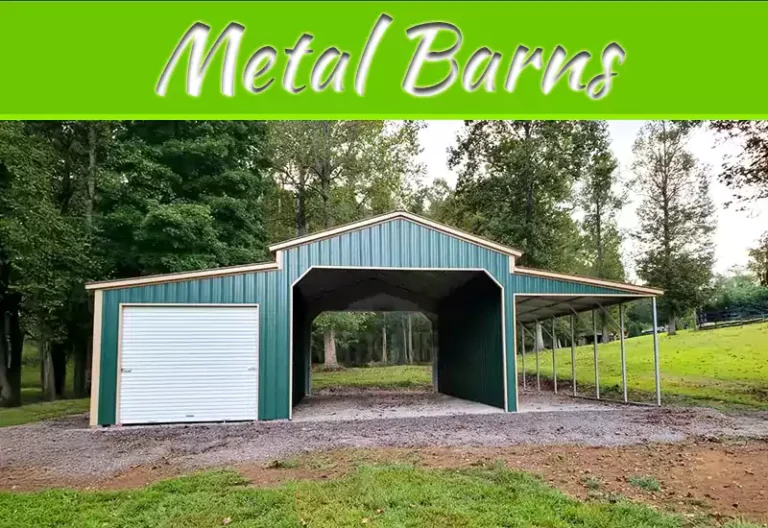
- You can add a lean-to barn for customers to hang out in the shade while waiting or deciding what they want to buy or try.
A space that feels authentic and rustic will match the farm-to-table vibe perfectly, and customers will also love buying fresh goods in a space that feels connected to the land.
-
Farm-To-Table Dining And Agritourism Events:
If you were thinking barns were only for hay storage and parking tractors, hold on! These farm metal buildings make a wonderful venue for various events.
- Pop-up dinners and tasting events
- Cooking classes
- Private parties
- Seasonal celebrations like harvest festivals or farm tours
With the right lighting, seating, and décor, your barn will be a warm, weather-protected space that brings people together and adds a new income stream for you.
Essential Features To Customize Your Metal Barn For Farm-To-Table Businesses

Steel barns can work well with the right features, just like well-oiled machines, whether you want to store fresh farm products or host community events. Here’s how to customize it for maximum efficiency and comfort—
-
Insulation And Ventilation:
To meet FDA standards for serving fresh food, you must maintain a steady temperature. You can do this by installing the proper insulation and ventilation in your barn. And this can be achieved by—
- Adding insulation, such as reflective foil insulators (double/single bubble or woven R17) for hot areas or spray foam to seal tight corners in colder climates.
- We recommend adding vents, fans, or ridge openings to keep the air flowing and reduce moisture and humidity inside. You can choose between passive or mechanical vents depending on the local area and the size of the barn.
-
Durable & Easy-To-Clean Flooring:
A solid floor makes everything easier. Therefore, focus on establishing a durable foundation from the beginning to ensure structural stability and minimize cleaning efforts. You can opt for—
- Poured concrete mix for strength and easy cleanup. You can also add steel bar reinforcement inside the concrete foundation to reduce wear.
- Make sure to add floor drains if you are washing veggies or hosting events.
- Add non-slip coatings for safety in wet zones.
Tip: A clean floor will help you meet health codes and save time.
-
Doors And Windows That Work:
Easy access and natural light make your barn more efficient for both farm workers and customers. You can—
- Install large roll-up doors for tractors, deliveries, and easy loading
- Add windows and skylights to brighten the space and cut energy costs
- Use glass-paneled doors for visibility and a welcoming feel
Tip: Let the light in to reduce your utility bills during the day.
-
Interior Partitions:
Divide your barn’s interior into zones based on workflow. For example, you can add a wall or dividers to separate—
- A clean processing area
- A cozy retail section
- A secure storage room
- Curtain or sliding panels (for flexible layouts)
Note: Zoning helps you stay organized and meet food safety standards.
-
Electrical And Plumbing:
Here are some farm-to-table businesses must-haves for a functional barn—
- Outlets for tools, fridges, and lighting
- Water lines for sinks, prep stations, and restrooms
- Solar panels for energy savings
- Planned drainage systems to avoid costly charges later
Tip: plan all utilities at the time of designing the barn so that it’s ready for real business.
-
Zoning And Permits:
Before you start preparing the site, here are some rules that you must check to avoid any penalties or delays in the future:
- Local health codes and agricultural zoning laws
- Certified kitchen to sell certain products (if applicable)
- Permits for plumbing, electrical, and public access areas
With this smart planning, you can keep a steel prefabricated barn legal and ready for your next venture.
Case Studies Of 3 Popular Farm-To-Table Businesses [Examples]

Below are three live inspirations for your farm-to-fork business; have a look—
-
Farmhouse Bakery And Market [Texas]:
Located in Huntsville, Texas, Farmhouse Bakery and Market has transformed a barn into a cozy bakery and farm store. They sell homemade pies, fresh eggs, and seasonal produce directly to locals. With an open-layout barn, it is easy to bake, stock shelves, and welcome customers.
-
Justified Blackbird [Austin]:
It focuses on hyper-focused ingredients and is a standout in Austin’s farm-to-table scene. It is known for its deep commitment to sourcing from nearby farms. The restaurant is a blend of rustic charm with modern flavors, and its seasonal menu makes every dish a true taste of Texas.
-
Sweet Grass Dairy [Georgia]:
In Thomasville, Georgia, this farm uses a barn to age handcrafted cheeses, host tasting events, and run a retail shop, too. Their pasture-raised cows graze year-round, producing rich milk for award-winning cheeses. Their farm barn is set up to support both production and direct sales, blending traditional with modern efficiency.
From Barn To Business: Start Your Farm-To-Table Journey
A metal farm barn can be the foundation of your farm-to-table business, and with smart design and custom features, it can handle production, sales, and community events without missing a beat. From selling fresh eggs to running a CSA or welcoming guests for a harvest meal, your barn can do it all.
With the right layout and accessories, you can easily build your farm-to-table business!