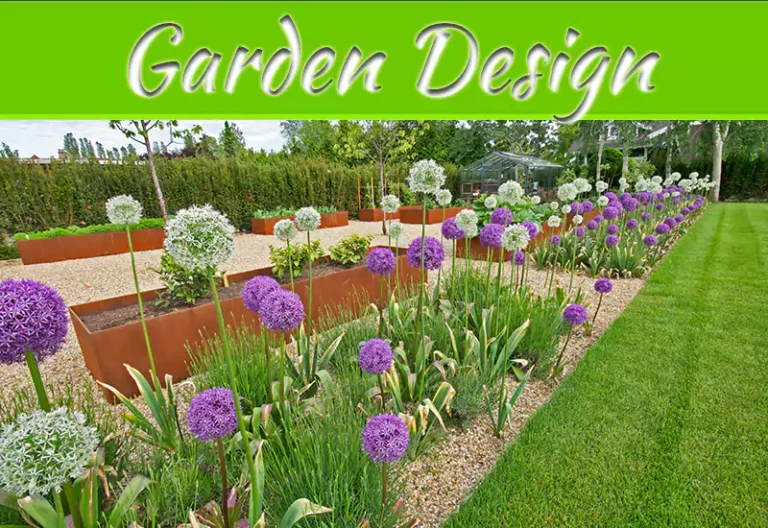

Native plants attract a diverse array of wildlife, from chirping songbirds to buzzing pollinators, transforming your garden into a lively little haven.
Having naturally adapted to their local soil and weather conditions, these hardy species require minimal effort and resources to thrive.
If you’d like to introduce these native wonders into your yard and save a pretty penny while doing so, keep the following tips in mind.
Benefits Of Using Native Plants
Native species offer plenty of perks. Because they’ve learned to cope with the local weather over time, they tend to thrive with very little watering. In addition to keeping your water bill in check, this helps you conserve rather precious resources.
They’re also impressively resistant to pests and diseases, often eliminating the need for chemical treatments altogether. Their unmatched resilience also means fewer replacements and less pruning down the line.
With these wonder plants, your outdoor space will become a safe haven for a host of creatures. Birds and butterflies will flock to familiar food sources, while helpful insects will quietly keep your garden’s ecosystem balanced and buzzing with life.
Not only that, but local ground covers, like wild strawberry, also help prevent soil erosion, suppress weeds, and improve water retention.
Choose The Right Varieties
To create an ever-thriving garden, you must first identify the type of soil you’re working with and observe how the sunlight moves across the space.
Next, get a clear sense of how much water you have access to, whether it comes from natural rainfall, a stored supply, or a hose.
Some plants thrive in dry soil, while others prefer their roots to stay relatively damp. Your findings will help you choose the right species that will thrive in your plot’s conditions.
To know which varieties are native to your part of the world, take a stroll through your local park or botanical garden. Seeing wild plants up close will help you visualise how they might fit in your garden.
Plant nurseries are another goldmine of knowledge. The staff there can offer tailored advice to help you pick the right flora and avoid anything that’s likely to be more trouble than it’s worth.
Independent nurseries also tend to offer better value than most chain stores.
You don’t have to break the bank to create a self-sustainable yard. Gardening clubs often host seasonal sales, so set a reminder to catch the next one and snag the plants you want at a reasonable price.
It would also be a good idea to join a local online gardening group, where you can swap plants with fellow gardeners. They can even offer you valuable advice based on first-hand experience to help you build a thriving collection on a budget.
Design Your Layout Carefully
You can easily enhance your garden’s visual appeal with some thoughtful plant placement.
If you want some expert insight, you can always contact a professional garden design contractor. They’ll help you choose the right plants for your soil, layout, and lifestyle, saving you a lot of time and costly mistakes.
Once you have a plan in mind, start layering your greenery to add depth and movement.
Place taller stars, like foxgloves, at the back, with average-height charmers, such as yarrow, in the middle. As for low-growing ground covers, like wild strawberries, they should sit up front, where they won’t be overshadowed by their larger companions.
Make sure to group plants according to their needs. Sun-loving and drought-tolerant varieties thrive in open, light-filled spots. On the other hand, moisture-seeking species are happiest tucked beneath larger trees or in naturally damp corners.
This kind of strategic placement creates a harmonious landscape and makes regular upkeep much easier.
It also sets the stage for thoughtful additions. Weaving your chosen native species among those already growing is a clever way to boost your garden’s performance without a complete overhaul.
You can even use them to replace underperformers or fill sparse patches. For example, meadow buttercups can brighten up your rose bushes, while native ferns will add rich texture nestled beside hostas in darker spots.
If your garden is on the larger side, go for bold, statuesque species, like foxgloves and great mulleins. They’ll add a touch of drama and style, giving your space a truly unique and striking presence.
Create A Wildlife-Friendly Garden
A sustainable garden should be welcoming for humans and smaller creatures alike. So, choose plants that offer both food and shelter to beneficial wildlife.
Berry-producing shrubs feed the birds year-round, while flowering favorites, like honeysuckle, draw in hardworking pollinators. Native grasses also give beneficial bugs a safe place to hide.
To help your garden dwellers thrive, incorporate a few practical features, like a shallow birdbath for the robins and sparrows to drink and bathe.
A couple of neatly stacked logs will also provide shelter to insects and other tiny visitors.
To extend your support for them through the colder months, resist the urge to deadhead every bloom in the winter. Those seed heads double up as natural bird feeders.
You also need to keep an eye out for overly aggressive spreaders that might take over more than their fair share. These can draw opportunistic pests that could tip the balance of your outdoor space if left to their own devices.
Finally, select plants that flourish across the seasons—think spring wildflowers, summer perennials, and vibrant autumn asters. That way, you’ll keep a steady supply of food for your garden’s regulars all year round.
Maximise Small Spaces
Limited space can be a blessing in disguise, giving you the perfect excuse to get creative with native plants.
Experienced gardeners recommend choosing compact varieties that pack a punch without overcrowding smaller areas. Take English primrose or creeping thyme, for example. Both add colour and texture while keeping things neat and manageable.
You can also maximise limited plots by taking advantage of vertical space. Climbing species, like honeysuckle, thrive beautifully on walls or trellises, adding height and scent without taking up precious ground space.
You can even transform your patio or balcony with a few carefully chosen containers. All you need are sturdy pots with good drainage.
Fill them with aromatic herbs, like lavender, or ornamental natives, like wild geranium, and you’ll have a fragrant little garden right outside your door. These potted delights bring a touch of wild charm to even the most modest corners of your home.
Adjust Your Routine With The Seasons
Even the hardiest plants need a little care to flourish. As the seasons change, so do your flora’s needs. To keep them thriving, you must adjust your gardening routine to help them cope with whatever nature throws their way.
The warm summer months are the perfect time to deadhead spent blooms to encourage fresh flower development.
It goes without saying that you also need to water your garden more deeply than you normally do during dry spells.
Once autumn rolls around, leave the seed heads in place for the birds to feast on. To prepare the soil for the coming winter, top up your mulch to lock in moisture and gradually enrich the earth as the temperatures begin to drop.
As the days grow shorter and the chill sets in, hold off on pruning to give local wildlife a cosy place to shelter during the colder months.
Come early spring, trim back old stems and clear away winter debris to make way for fresh growth.
Keep an eye on your green companions as the seasons roll by. During your regular strolls, look out for any yellowing leaves, unusual spots, or inexplicable wilting. Catching these issues early prevents them from spiralling out of control.
Most native varieties are resilient enough to fend off common pests and diseases on their own. Nevertheless, you should still remove sickly leaves and tweak your watering routine as needed to keep them happy and healthy.
Conclusion
Native plants are the unsung heroes of the natural world—low-maintenance, resilient, and remarkably diverse.
They charm the eye, beckon the birds and butterflies, and best of all, take to their local conditions as naturally as a duck to water.
With minimal effort, these hardy plants create a living work of art that evolves beautifully throughout the seasons. So, if you’re dreaming of a space that feels both alive and effortless, native plants are a brilliant place to start.