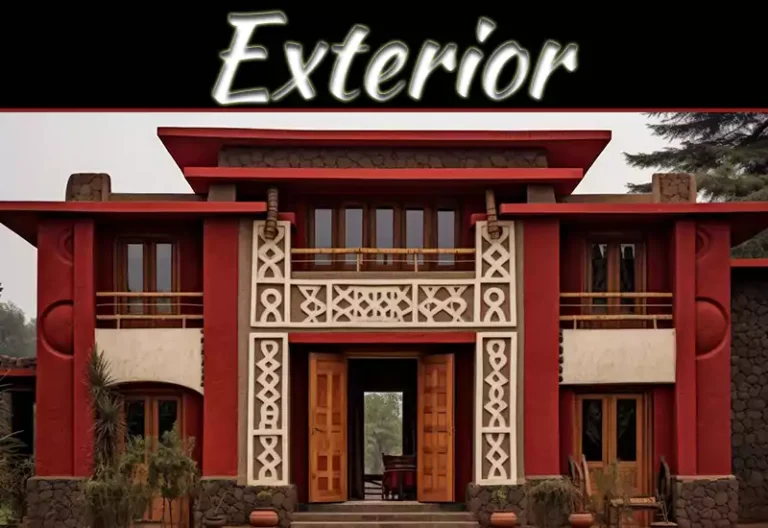

Imagine driving through a neighborhood and seeing a home that has the charm of a timeless classic but looks delightfully fresh at the same time. This is the beauty of integrating modern and traditional exteriors. No longer just for the luxury of architecture, combining these styles has become popular with homeowners as they want to blend traditional, warm features with modern, clean, strong lines, creating home designs that are fresh, bold, and traditional to feel like a real home without looking the same as other homes in their area.
Successfully merging these types of styles requires a sense of balance, some creativity, and an eye for what materials and proportions express modern or traditional. What follows is a complete guide to achieving a modern-traditional exterior that feels elegant, historic, and simple at the same time.
-
Understand The Core Characteristics
Before you get started, find out what each style features:
- Traditional exteriors are usually characterized by gables, brick or stone cladding, symmetrical windows, wooden shutters, ornamental cornices, and rich textures of natural materials.
- Modern exteriors, on the other hand, have an emphasis on simplicity, large glass windows, flat or low-pitched roofs, metal accents, geometric shapes, and largely monochromatic or neutral colors.
You are trying to marry both styles together so that the exterior, which has characteristics of both traditional and modern, can speak cohesively, not as separate pieces.
-
Choose A Dominant Style And Blend Thoughtfully
Many people decide to treat the two styles equally, and there will be confusion in the design.
- Instead, select a dominant style. If your house is traditionally built, then add modern light fixtures, frames, etc., and very minimalist landscaping to support the traditional style. Or, vice versa, by adding modern lighting to a modern house and stone and wood trim to soften it up some.
Think marriage, not merger. Using modern glass railings on a traditionally pillared porch provides openness but respects the integrity of the structure.

-
Combine Contrasting Materials
Material selections are critical for intertwining styles:
- Stone and Metal: A stone wall or stone facade with slim, elegant black steel (for example) window frames creates a beautiful juxtaposition.
- Wood and Concrete: Natural wood cladding or wood trims are great to warm up stark modern concrete or render exteriors.
- Brick and Glass: A traditional red- or brown-faced brick wall and substantial modern glass window give a classic and elegant feel while being welcoming.
Always be sure the textures work together so there are no jarring contrasts.
-
Integrate Modern Windows Into Traditional Structures
New windows are most effective for modernizing a period home. Consider:
- Replacing traditional small multi-paned windows with larger individual panes in black aluminum or black steel frames.
- Going floor-to-ceiling or at least taller than before at the rear of the home for that modern indoor/outdoor living aspect of your home, while retaining the period front.
Windows serve to seamlessly bridge the two epochs in aesthetic appeal, energy efficiency, and optics of natural light.
-
Update the Roofline Thoughtfully
Conventional houses are normally topped with steep roofs, whereas modern homes typically have flat or low-sloped roofs. To blend:
- Add a flat-roofed extension (or if necessary, a low-sloped extension) to a conventional house to create a modern rear living space/kitchen.
- Combine contemporary materials, such as dark standing seam metal roofing, with traditional gable roofs to refresh the construction.
The aim of design is to maintain the visible roofline from the street side of the house while allowing modern features to be included where it is informed by suitability.

-
Focus On Entryways
Your entryway is essential to the feel of your home. A mixed-style exterior will often take into consideration:
- You may create a modern entry by pairing a traditional solid wood door with minimalist modern handles and lighting.
- A modern entry could also consist of a glass pivot door or steel-framed double doors, paired with huge classical stone or brick pillars.
Planters with modern shapes filled with structured greenery will add clarity and warmth to the entry, so it will feel welcoming.
-
Blend Outdoor Lighting Styles
Lighting enhances the character of your exterior.
- Use sleek, minimal wall sconces or uplights to add a modern touch to existing traditional brick or stone walls.
- Mixing lantern-style pendant lights alongside recessed spotlights that highlight architectural features would work great on a porch.
It’s important that colour temperatures on your lights match to keep styles in sync.
-
Curate Landscaping To Unify Styles
Your landscape can not only soften the look but also sharpen it.
- Modern landscape: Geometric paving, linear hedges, and ornamental grasses in patterns and structure enhance the modern features.
- Traditional landscape: Flower beds and stone pathways with classic examples of furniture add charm and warmth.
Your combination could have concrete stepping stones added to the minimally modern landscape and climbing roses along the brick wall for tradition.

-
Play With Colour Palettes
Traditional residences commonly use earthy colors, while modern exteriors tend to favor monochromes or bold contrasts. To make the two styles work together:
- You can use traditional whites, creams, or beiges as your base, with black modern window frames and black modern railings for a dramatic update.
- Alternatively, you can keep the brick or stone texture by painting the trims or doors in a matte black or deep charcoal and instantly modernize your two-tone home.
Do not mix too many colors; two to three complementary shades are sufficient to retain a cohesive look in your home.
-
Add Transitional Features
Transitional features blend the styles:
- Pergolas are made with traditional wood beams and modern steel posts.
- Balconies consisted of wrought-iron railings with modern minimalist timber handrails.
- Outdoor kitchens or living spaces feature rustic stone fireplaces with modern polished concrete countertops.
These examples bridge styles together, transitioning your home to look intentionally eclectic without losing sophistication.

Conclusion:
To combine modern and traditional styles on your home’s exterior is to honor two pasts and two futures. A successful combination of the two requires a vision, already in mind, that professes to preserve traditional warmth yet embraces modern minimalism and efficiencies while being functionally complementary.
Additionally, a successful home integrates changes and continuity with design, complementing materials, window and entry door selections, and the actual landscape it sits in, all the while maintaining an overall compositional tone. Achieving an inviting, comfortable, and contemporary quality should always be the goal.
In the end, your house is not only made up of four walls and a roof over its windows, but in a way, it’s a never-ending process of development documenting your tastes, personality, and background of heritage, with a contemporary disposition towards modernity. Honestly, the challenge of creating an exterior design may often seem overwhelming at times, but with some creativity, patience, and reasonable intent, watch your house evolve into a beautiful transformation one complement at a time.