
Effective insulation is crucial for maintaining energy efficiency in your home. It acts as a barrier to heat flow, keeping your home warm in the winter and cool in the summer, which helps reduce overall energy consumption. Whether you’re insulating attics, walls, or floors, understanding the different types of insulation and their applications can significantly improve your home’s comfort and energy performance.
The Importance Of Insulation In Energy Conservation
The role of insulation in conserving energy cannot be overstated. Properly insulated homes maintain more stable indoor temperatures, requiring less energy for heating and cooling, which translates into lower utility bills. Additionally, good insulation contributes to a quieter, more comfortable living environment by reducing sound transmission from outside and between rooms.
Before beginning an insulation project, it’s important to assess the current state of your home’s insulation. This involves checking the attic, walls, and floors to identify any areas where insulation is missing or inadequate. Proper evaluation allows you to target your improvements effectively, ensuring you get the most benefit from your investment.
Evaluating Insulation Materials
There are several types of insulation materials available, each suited to different parts of your home and offering various benefits. Fiberglass, cellulose, and foam are the most commonly used materials, each with unique properties that affect their performance and suitability for specific applications.
Fiberglass insulation is popular due to its cost-effectiveness and ease of installation, making it a great option for DIY projects. Cellulose, made from recycled paper treated for fire resistance, provides a higher R-value per inch compared to fiberglass and is effective at reducing air leaks when densely packed. Foam insulation, including spray foam and rigid foam boards, offers the highest R-values and is excellent for sealing air leaks and insulating irregular spaces.
Choosing the right insulation material depends on factors such as the climate you live in, the areas of your home that need insulation, and your energy efficiency goals. It’s important to select materials that not only fit your budget but also provide the best performance for your specific needs.
Insulating Attics For Optimal Performance
Attic insulation is one of the most cost-effective ways to enhance energy efficiency in your home. Heat rises, and without proper attic insulation, it can escape, leading to increased energy use and higher heating costs. Insulating your attic helps keep heat in during the winter and out during the summer, stabilizing your home’s internal temperatures and reducing the load on your heating and cooling systems.
When insulating attics, it’s essential to choose the right type of insulation and ensure it is applied thoroughly to cover the entire area without any gaps. The most common types of attic insulation are loose-fill (such as cellulose or fiberglass) and batts or rolls (typically fiberglass). Each has its installation methods and benefits, with loose-fill being particularly effective at filling irregular spaces and covering existing insulation.
In addition to insulating the floor of the attic, it’s also crucial to consider ventilation. Proper attic ventilation ensures that any moisture entering the attic can escape, preventing mold growth and deterioration of roofing materials.
Wall Insulation Techniques
Insulating walls is key to maintaining energy efficiency, especially in older homes that may not have been insulated to modern standards. For new constructions, installing insulation during the building process is straightforward. However, adding insulation to existing walls can be more challenging, but it is often necessary to improve energy efficiency.
One effective method for existing walls is blown-in insulation, which can be installed without removing wall finishes. This involves creating small holes in the wall, usually from the exterior, and using specialized equipment to blow insulation into the wall cavity. This method is particularly useful for walls that lack insulation or have insufficient insulation.
Batt and roll insulation is commonly used for new construction or major renovations. These materials are relatively easy to install between open wall studs and can be cut to fit around electrical boxes and other obstacles, providing a continuous layer of insulation that helps to prevent heat loss and gain.
Enhancing Floor And Basement Insulation
Floors and basements are often overlooked when it comes to insulation. Still, they are critical areas for preventing energy loss, especially in homes built over unheated spaces like garages or crawl spaces. Insulating these areas can prevent cold floors, reduce noise, and lower heating requirements.
For basements, rigid foam board applied to the walls is a popular choice because it resists moisture better than most other types of insulation. In crawl spaces, encapsulation with a vapor barrier along with insulation on the walls can greatly improve energy efficiency and protect against moisture problems.
Floors over unheated garages or crawl spaces should be insulated between the joists with batts or rolls of fiberglass or rock wool, ensuring that there are no gaps and that the insulation is held securely in place with wire supports or similar mechanisms.
Sealing And Insulating Windows And Doors
Windows and doors are common sources of air leaks and thermal loss. Properly sealing these openings with weatherstripping and caulking can significantly improve a home’s energy efficiency. Additionally, installing energy-efficient windows and doors with double or triple-pane glass filled with inert gas and coated with low-emissivity (low-E) films can further reduce energy loss.
Thermal curtains and blinds can also help insulate windows by providing an additional layer of air insulation. This is particularly effective in winter when curtains can be closed at night to keep heat in and opened during the day to allow sunlight to naturally heat the space.
Integrating Insulation With Heating And Cooling Systems
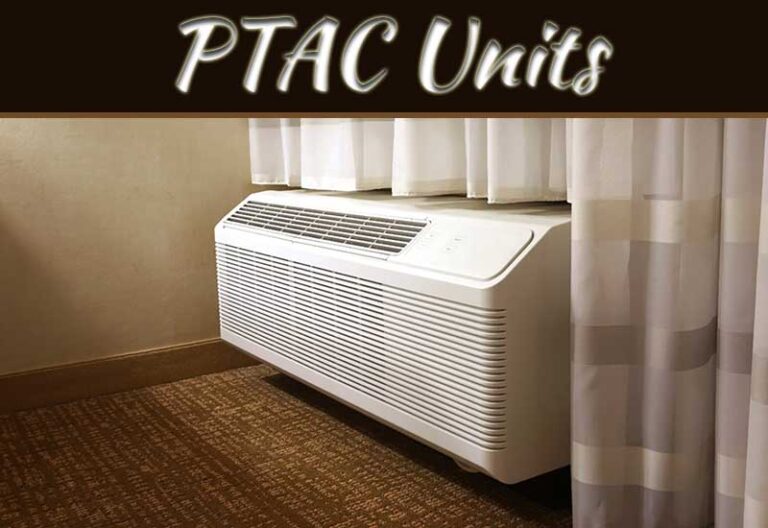
Integrating insulation improvements with your home’s heating and cooling systems, including PTAC units, can optimize energy efficiency. Properly insulated spaces reduce the workload on these systems, as less air leaks and thermal transfer occur. This not only lowers energy costs but also extends the life of the equipment. When upgrading insulation, consider how it will impact your PTAC units, ensuring that they can operate at peak efficiency in your well-insulated space.
For those looking to enhance energy efficiency while saving money, Refurbished PTAC Units are an excellent choice. These units offer reliable cooling at a fraction of the cost of new models. Refurbished PTAC units undergo rigorous testing to ensure they meet high-performance standards, making them a smart and eco-friendly option for maintaining comfortable indoor temperatures without breaking the bank.
Future Innovations In Insulation
The future of home insulation looks promising with ongoing advances in materials and technology. Innovations such as aerogel insulations, which offer extremely high R-values with minimal thickness, are on the horizon. Additionally, smart insulation materials that can change their thermal properties based on temperature or time of day are being developed.
These future materials will not only enhance the energy efficiency of homes but also contribute to more sustainable construction practices. As building standards evolve, these innovative insulation solutions are expected to become more commonplace, offering homeowners even better ways to save energy and reduce environmental impact.