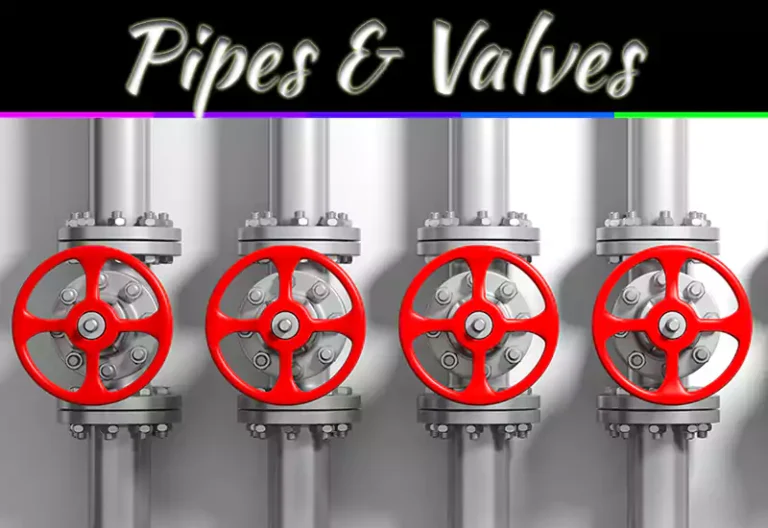

Image Credit: rawf8 @ iStockPhoto.Com
Are you looking to buy pipes and valves? Are you unsure about where to purchase high-quality pipes and valves? You can buy LESSO Pipe & Fittings, which are of the best quality and are manufactured from unplasticized polyvinyl chloride (uPVC) to meet stringent China & international standards.
The foundation of a solid piping and valve system is a superior material. The metal composition is one of the key components of a reliable and simple system. Fluids within the system remain confined, and the system itself operates more effectively when the proper metal is chosen.
Now, you must be wondering how you can choose it, right? Don’t worry. In this article, we will give you 4 tips for choosing the right materials and types of pipes and valves.
How To Choose The Right Materials For Pipe
-
Check The Components Being Transported
What Kind of Fluid Is Passing Through Your Pipes? Please clarify whether the liquid is corrosive. Crude oil, ammonia, salt water, and other acidic liquids with strong chemical compositions are examples of corrosive liquids. These fluids require pipes made of corrosion-resistant materials, including lined or plastic CPVC pipes. Since most liquids are minimally corrosive, you’ll need corrosion-resistant materials for the pipes that will circulate them. Transporting non-corrosive substances through carbon steel is safe for substances like lubricants, oil, air, and nitrogen.
-
Temperature Of Fluid Passing
Once you’ve examined the components in transit, it’s time to assess the liquid temperature within your fluid handling system. Please ensure that your system is constructed with high-temperature pipe materials if you are transmitting liquids at elevated temperatures. While some plastic piping may not be the best choice for handling fluids at high temperatures, other varieties may be made to handle fluids at any temperature. Even though some types of metal pipes may get too hot to touch, metal pipe materials are often wise alternatives for high-temperature liquids. So, it is very crucial that your piping material support these temperatures.
-
Size Of Valves & Fittings
You might need to exclude some alternatives because some piping materials will only come in a limited number of valve and fitting sizes.
The kinds of connections you’ll need to make between pipes and to link the pipes to other components of the fluid handling system will determine the valve and fitting types you select.
-
The Price Of The Components
Now, this is one of the main factors to consider while choosing the right materials and types of pipes and valves. You must check the parts’ prices and compare them to see if they’re worth it. When comparing various pipe materials, check the initial cost of all necessary components, such as the pipes, valves, and pipe fittings.
Also, check your budget to see whether you can afford quality and branded material or not. If your budget is limited and you opt for cheaper materials, you may encounter system issues in the future.
Pipe facades need to be able to survive challenging environmental factors like hot and low temperatures, various moisture levels, and some amount of damage. The type of fluid in the system, the internal temperatures, and the internal pressure must all be considered.
Types Of Pipes
The material that is typically used to manufacture pipes determines how they are categorized. Mainly, there are two types of pipes:
- Metallic Pipes
- Non-Metallic Pipes
-
Metallic Pipes:

Metal pipes are those that are made of metal. They fall into two categories:
- Pipes are manufactured of ferrous materials.
- Pipes manufactured out of non-ferrous materials
-
Pipes Made Of Ferrous Material:
These pipes are heavier & stronger. Iron is the primary component of these pipes. Pipes built of ferrous materials are made by:
- DSS Pipes
- Ductile iron pipes.
- Stainless steel pipes
- Alloy steel pipes
This pipe is for extreme temperature and pressure applications, so we want to inform you if you’re considering when to buy or which category they belong to. Ferrous materials are utilized to make the majority of pipes used in oil and gas, refineries, chemical and petrochemical plants, power plants, and other industries.
Pipes Made Of Non-Ferrous Material:
Iron is not the main component in this type of pipe. They are typically made of brass, copper, aluminum, etc. This category of pipes is produced from non-ferrous materials. The following are typical Non-ferrous material pipes:
- Aluminum & Aluminum alloy pipes
- Copper and copper-alloy pipes
- Zirconium and zirconium-alloy pipes
Non-Metallic Pipes
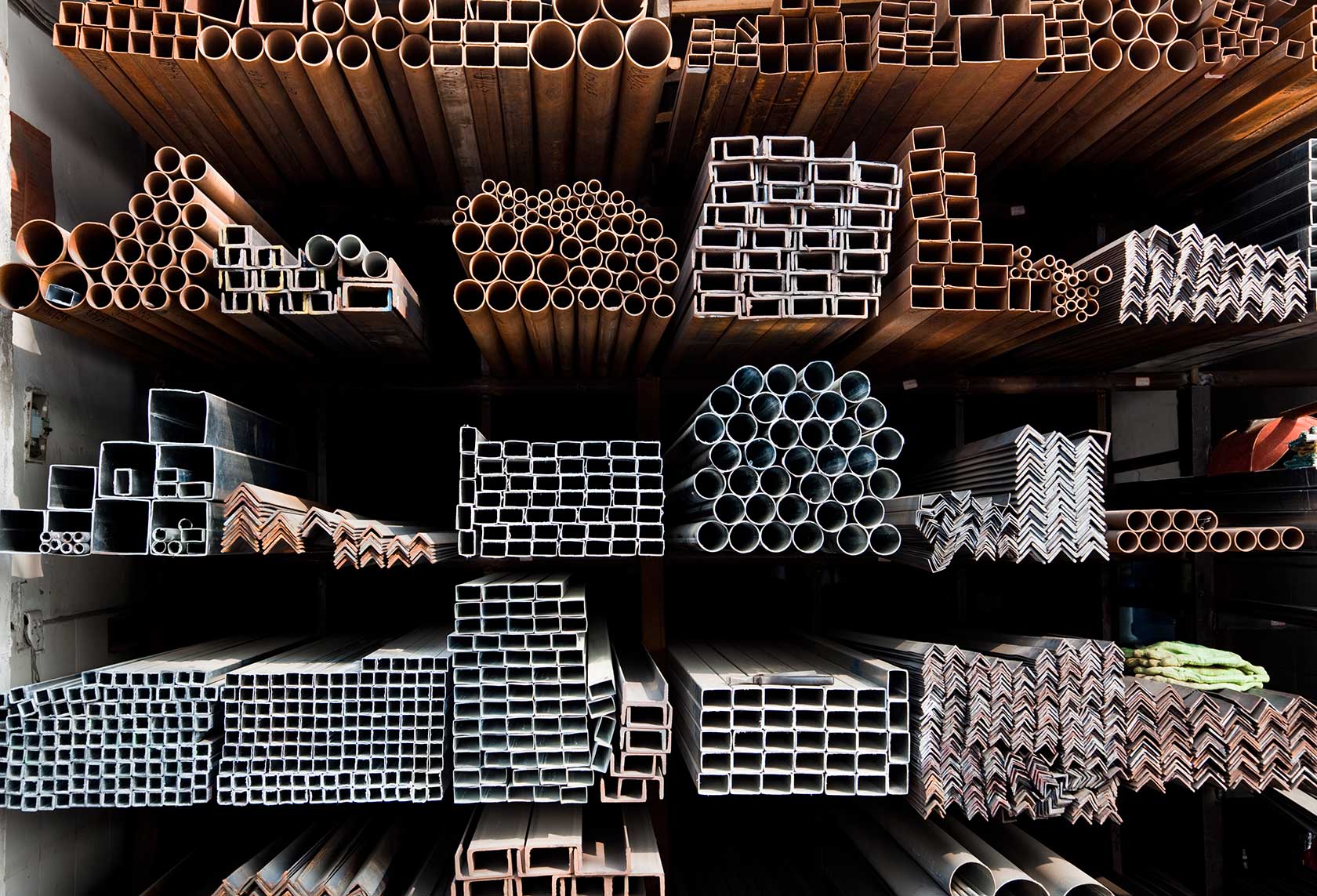
Non-metallic pipes are frequently used for services where the temperature is not a relevant factor. Most non-metallic pipes are used in non-critical services, including drainage systems and the water industry. Common non-metallic pipes that are extensively used include vitrified clay pipes and reinforced thermoplastic pipes.
- Vitrified clay pipes
- Reinforced thermoplastic pipes
- ABS Pipes
- PP Pipes
- PE/HDPE Pipes
- PVC Pipes UAE
The fact that enhanced plastic and alloy pipes are incredibly strong and corrosion-resistant is one of their key benefits. While pipes made of metal are typically made to last up to 25 years. Plastic pipes made of composite materials and fibers can easily endure 50 years. The temperature is their biggest constraint, though. High-temperature applications are not appropriate for non-metallic pipes.
Material Selection For Valves

Choosing the right materials for both our pipes and valves is essential, as it improves the system’s condition and extends its functional lifespan. You must buy quality materials, but you also need to check your budget, as it will affect your selection. The following options are used to build the majority of industrial valves:
-
Brass And Bronze:
Brass and bronze are both cheaper and moderately corrosion-resistant. They can be easily found and changed when necessary because they are frequently used as valve materials.
-
316 Stainless Steel:
It is the most expensive option because 316 stainless steel pipes offer excellent corrosion resistance, much like 304 stainless steel pipes do.
-
Ductile Iron:
It is capable of absorbing pressure changes that can shock the system. It is also reasonably priced and widely accessible. Therefore, it is more vulnerable to corrosion.
Conclusion
The materials that make up your pipe or valve system have a significant impact on the system’s maintenance requirements and longevity. Reducing maintenance expenses can be attained by using higher-quality and corrosion-resistant materials from the beginning.
We hope this article will help you choose the right materials and types of pipes and valves. If you want to buy quality pipes and fittings, then LESSO Pipe & Fittings is the best choice for you to buy.